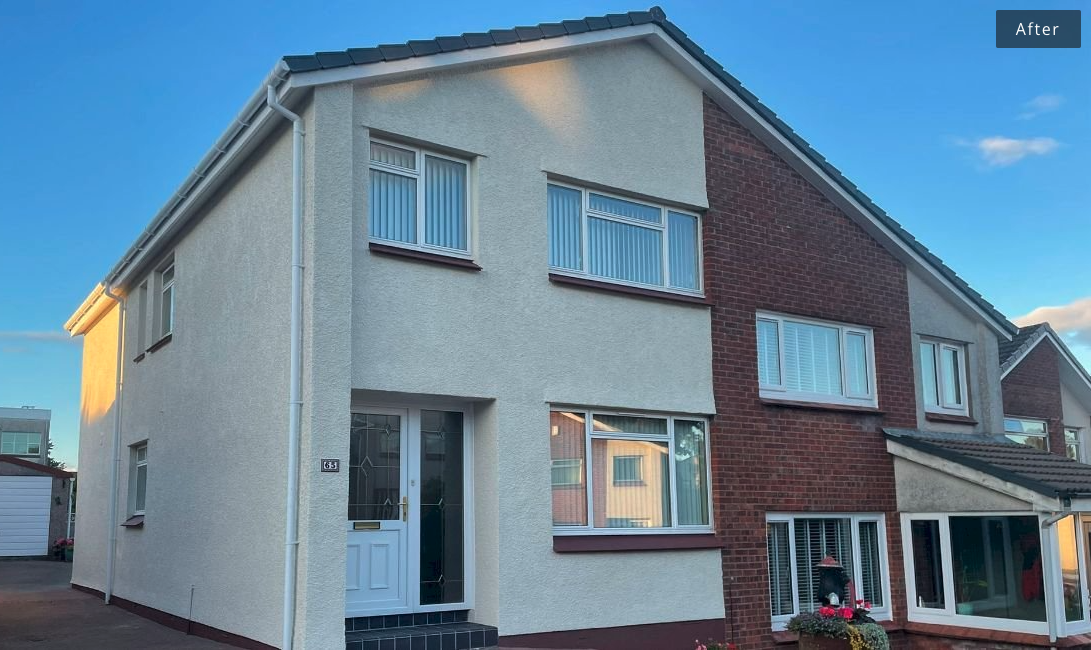

When was the last time you checked your loft insulation?
More importantly — do you know what it’s made of?
If your home still relies on fibreglass insulation, you could be facing more than just heat loss. You could be exposing your family to invisible health risks every single day.
In this article, we’ll explore how ageing fibreglass loft insulation affects indoor air quality, energy efficiency, and even your wellbeing — and why thousands of UK homeowners are now switching to a cleaner, safer alternative.
What Is Fibreglass Insulation — and Why Was It So Popular?
Have you ever wondered why fibreglass was used so widely in the first place?
Fibreglass insulation became popular in the mid-20th century as a fire-safe, affordable alternative to asbestos. It works by trapping air between layers of spun glass fibres to reduce heat loss.
But here’s the issue: what happens when those fibres start breaking down?
And what are the long-term effects of breathing them in?
How Can Fibreglass Insulation Affect Your Air Quality?
If insulation sits in the loft, how can it affect the air you breathe in your living room?
Here’s how:
-
Air movement through loft hatches, recessed lights, or pipework allows fibreglass particles to move down into bedrooms and hallways.
-
Pressure differences (from extractor fans or open windows) force attic air into the home.
-
Modern airtight homes trap pollutants indoors for longer.
-
Disturbing old insulation during maintenance or inspections sends fibres airborne.
Once inside your home, these microscopic glass fibres can:
-
Irritate the eyes, throat, and lungs
-
Worsen asthma and allergies
-
Increase the risk of respiratory issues over time
If you or your family experience unexplained coughing, irritation, or breathing issues — could your insulation be part of the problem?
What Happens as Fibreglass Insulation Ages?
Would you trust 20-year-old material to protect your home?
Over time, fibreglass insulation:
-
Sags and compresses, losing its thermal effectiveness
-
Traps moisture, leading to mould growth
-
Breaks apart, releasing tiny airborne fibres
-
Collects dust and debris, becoming a haven for bacteria and allergens
Could this ageing, fibre-shedding material be silently contaminating your loft — and your air?
Is There a Safer, More Efficient Insulation Option?
What if you could insulate your loft without risking your health or energy efficiency?
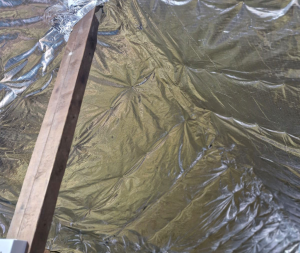
EcoQuilt® by EcoSeal is a multifoil insulation product designed for modern homes. Unlike fibreglass, it doesn’t shed particles, doesn’t degrade over time, and actively reflects heat to improve thermal performance.
So what makes EcoQuilt® a better choice?
✅ No airborne fibres
✅ No sagging or degradation
✅ No moisture absorption or mould risk
✅ Easier, faster, and cleaner installation
✅ Proven energy savings and year-round comfort
Could this be the smarter, safer upgrade your home’s been waiting for?
Why Wait to Breathe Easier?
Would you knowingly keep a health risk above your ceiling?
If there was a clean, modern replacement available — why wait?
EcoQuilt® insulation is helping homeowners across the UK enjoy:
-
Healthier indoor air
-
Radiant barrier to Lower heating bills
-
Comfortable, energy-efficient homes all year round
👉 Ready to replace your fibreglass insulation with something better?
👉 Request Your Free EcoQuilt Proposal Today — and Breathe Easy Tomorrow.
(We’ll design a tailored solution for your home. No pressure. Just clarity.)